
Understanding the psychological traps in gambling behavior
The Illusion of Control
One significant psychological trap in gambling is the illusion of control. Gamblers often believe they can influence outcomes in games that are purely based on chance, such as slot machines or roulette. This perception can lead them to make irrational decisions, as they may feel that their skills or strategies can sway the results. In some cases, they may even take comfort in playing the best australian online pokies, further reinforcing this false sense of empowerment. This can encourage continued play, even when the odds are not in their favor.
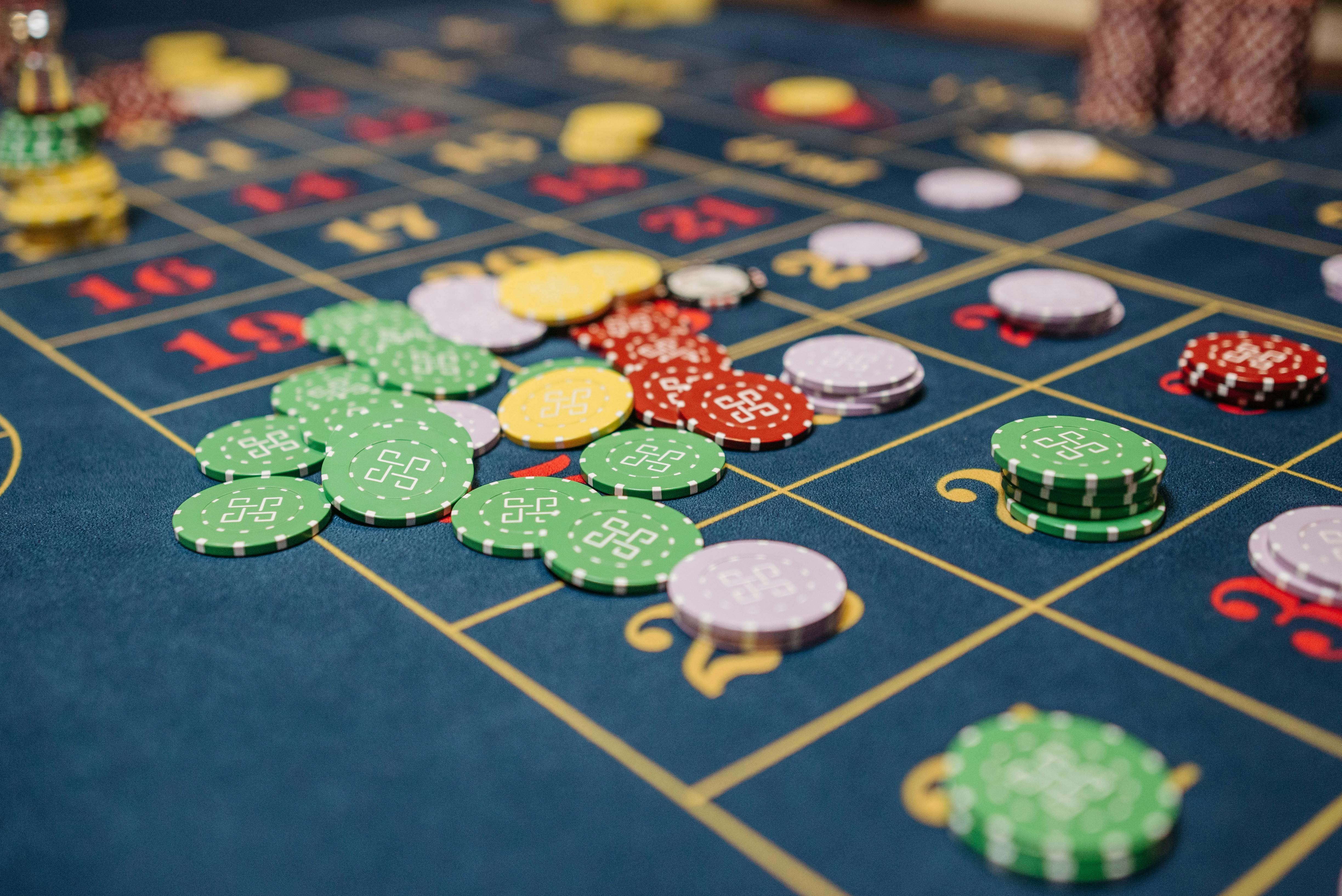
The illusion of control can be particularly potent in games that involve an element of skill, such as poker. Players might think they can outsmart opponents or manipulate the game’s dynamics. However, even in these situations, luck plays a substantial role, and overestimating one’s abilities can lead to significant losses and a cycle of chasing losses.
The Gambler’s Fallacy
The gambler’s fallacy is another common psychological pitfall. This belief is rooted in the misunderstanding of probability; gamblers may assume that past outcomes will influence future ones. For example, if a roulette wheel has landed on red several times in a row, a player might believe that black is “due” to occur next. This flawed reasoning can result in misguided bets and a loss of financial resources.
This fallacy is often exacerbated in environments where players are emotionally invested, as they may cling to superstitions or patterns. Awareness of this fallacy can be crucial for gamblers looking to maintain a rational approach to their betting activities, emphasizing the importance of understanding probabilities rather than relying on misconceptions.
Chasing Losses
Chasing losses is a common behavior among gamblers, often leading to severe financial and emotional repercussions. When players experience a loss, they may feel compelled to recover their money quickly, believing that a big win is just around the corner. This mindset can lead to an escalation in betting, resulting in even greater losses.
The psychology behind chasing losses is deeply linked to feelings of regret and frustration. Gamblers often rationalize their continued play by hoping that the next bet will yield a favorable outcome. This cycle can be detrimental, pushing individuals deeper into financial distress while perpetuating a harmful gambling habit.
Emotional Triggers and Gambling
Emotions play a critical role in gambling behavior, influencing decisions and overall engagement. Factors like stress, anxiety, or even excitement can lead individuals to gamble in an attempt to escape or enhance their mood. This emotional connection can blur the lines between recreational gambling and problematic behavior.
Recognizing emotional triggers is essential for those looking to gamble responsibly. By acknowledging how emotions affect their decisions, individuals can develop strategies to mitigate risky behaviors, such as taking breaks or setting strict budgets. Understanding the emotional landscape can empower gamblers to make more informed choices.

About This Website
This website is dedicated to providing valuable insights into the psychological aspects of gambling behavior. By exploring the various traps and cognitive biases that can affect decision-making, we aim to promote responsible gambling practices. Understanding these factors is crucial for anyone interested in gambling, whether for entertainment or as a potential source of income.
Our mission is to foster awareness and provide resources that help individuals navigate the complex world of gambling. Through informative articles, expert analysis, and engaging content, we aspire to empower our readers to make better choices and maintain a healthy relationship with gambling.